
Water treatment revolves around improving the quality of water to serve a variety of purposes, but the goal remains the same – safety. From drinking water to industrial water supply, water goes through several levels of treatment to ensure that it is safe enough from all the impurities and contaminants.
Water treatment is an essential part of our lives, because it prevents the spread of water-borne diseases as well as ensuring that water gets reintroduced back to nature’s cycle. The process of water treatment may differ slightly from country to country; however, all methods are derived from the same core stages depending on the treatment purpose. In this article, we discuss the 5 main levels of water treatment and how safe water is achieved.
Stage 1: Coagulation
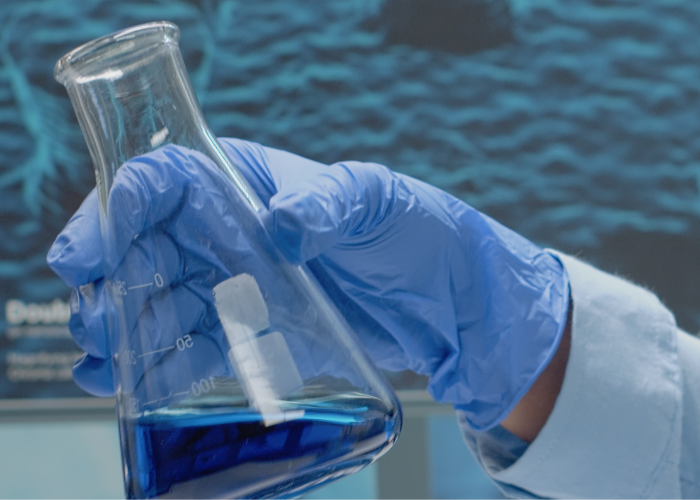
The first step is the coagulation, which is where the chemicals that neutralize the dirt and dissolved substances are added. These are positively charged chemicals – such as iron, aluminum sulphate, ferric sulphate, and specific types of salt – and they are able to neutralize the negative charges of the impurities in the water.
Stage 2: Flocculation
The second step is flocculation, where the water is gently mixed to create larger and heavier particles – flocs. Sometimes, additional chemicals are added to speed up the process of flocs formation. This step is a central part of the process as it later allows the separation of the contaminants from the water, so it is very important that this step is done efficiently and with tenacity.
Stage 3: Sedimentation
In the 3rd stage, after the flocs have settled to the bottom, the water is separated from those heavier particles. For this to work, the sedimentation tanks are specially designed to reduce the velocity of the flow of the water to allow the solids to settle and sink down to the bottom.
Stage 4: Filtration
This step includes another round of separating the water from the solids through filtration, where the now clean water passes through filters with various pore sizes, made from different materials to help remove dissolved particles and unwanted substances from the water.
Stage 5: Disinfection
In this last step, any remaining impurities – bacteria, parasites, or viruses – are removed by adding chemical disinfectants to water such as chlorine. This stage allows maintain the purity of water as it is distributed through the pipes to users.
Conclusion
Whether its Household Water Treatment, Industrial Water Treatment, or Wastewater Treatment, the level of purity is crucial as untreated water can be catastrophic. You may not think about it often, but if improperly treated water is consumed in large amounts, it may lead to death, serious illnesses, and development setbacks for fetuses. That is why at Super Quality we take water treatment very seriously and with utter care.