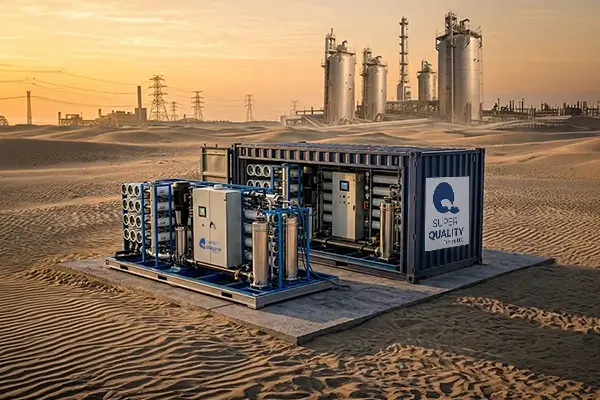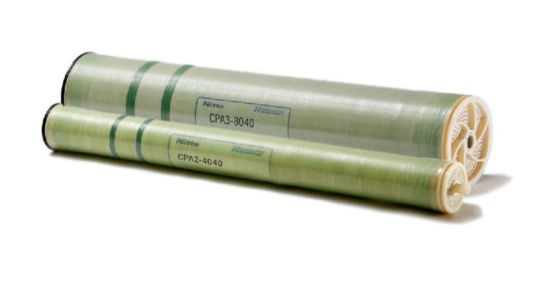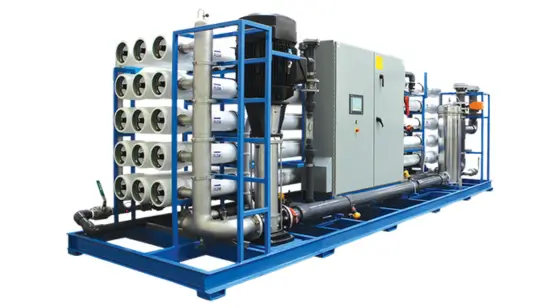

UV Ultra Violet Water Filter System is the solution for one of the most common water challenges — microbial contamination that traditional filters can’t fully eliminate. Many facilities struggle with bacteria, viruses, and unpleasant odors that affect water safety and process reliability. This system provides chemical-free disinfection, ensuring consistent, high-quality water for industrial and commercial applications.
What is UV ultra violet Disinfection Technology?
UV disinfection technology uses UV-C light, a type of ultraviolet light, to neutralize pathogens in water. It works by disrupting the DNA or RNA of microorganisms like bacteria, viruses, and fungi, effectively deactivating them. This process ensures that the microorganisms are no longer capable of reproducing, which prevents waterborne diseases and ensures safe drinking water. UV Ultra Violet Water Filter System disinfection is particularly effective in treating water with biological contamination, making it a popular choice in both household and industrial settings.
How UV Ultra Violet Water Filter System Works?
UV Ultra Violet Water Filter System works by shining UV light through the water. As the water passes through a chamber, microorganisms are exposed to UV-C light that penetrates their cell walls. This light disrupts their internal structure, primarily by damaging their DNA, which prevents them from reproducing and causing infections. The UV disinfection process is highly effective, killing up to 99.99% of harmful microorganisms without affecting the taste or odor of the water.
Unlike chemical treatments, UV does not leave any residual chemicals in the water, ensuring that the water remains pure after treatment. This makes UV technology particularly useful for those concerned about the taste and health effects of chlorine-based treatments.
See more
Discover Sand Filter for Water Treatment
Explore Ion Exchange Water Treatment System
UV Ultra Violet Water Filter System Types
There are different types of UV systems, depending on their application and design:
- Low Pressure UV Systems: These are the most commonly used for smaller residential and commercial water treatment systems. They work well in areas with relatively low microbial contamination.
- Medium Pressure UV Systems: These are more powerful and used for larger applications, including industrial water treatment. They provide higher UV intensity, making them effective for more heavily contaminated water sources.
- Low Pressure High Output (LPHO) UV Systems: These are energy-efficient systems often used in both residential and industrial applications. They provide a high output of UV light, requiring less space while being effective for most disinfection tasks.
Benefits of UV Filtration disinfection
UV Ultra Violet Water Filter System has several distinct benefits:
- Effective Disinfection: UV water purifiers are highly effective in deactivating harmful pathogens such as bacteria, viruses, and parasites.
- No Chemicals Involved: Unlike chlorine or other chemical treatments, UV disinfection does not leave harmful residues or chemicals in the water.
- Eco-friendly: UV disinfection systems don’t produce harmful byproducts, making them an environmentally friendly option for water purification.
- No Change in Taste: UV disinfection doesn’t alter the taste or odor of water, ensuring that it remains fresh and clean.
- Energy-efficient: UV systems are relatively energy-efficient, consuming little power compared to other disinfection methods.
- Low Maintenance: These systems are simple to maintain and generally require less frequent servicing.
Cons of UV Ultra Filtration System
While the UV Ultra Violet Water Filter System is an effective and eco-friendly solution for water purification, it does come with a few potential drawbacks:
- No Removal of Dissolved Solids: UV systems only disinfect water and do not remove dissolved solids, minerals, or heavy metals, which may require additional filtration methods.
- Requires Clear Water: UV systems are less effective in turbid or cloudy water, as suspended particles can block UV light from reaching pathogens, reducing its disinfecting power.
- Maintenance of UV Lamp: The UV lamp has a limited lifespan and needs to be replaced periodically. The quartz sleeve also requires regular cleaning to maintain effective disinfection.
- Power Dependency: UV systems require electricity to operate, meaning they won’t function during power outages, which could be a concern in areas with unreliable power supp
Ultra Filtration (UV) System vs Reverse Osmosis (RO) water purification
While UV Ultra Violet Water Filter System are effective at killing harmful microorganisms, they are often compared to reverse osmosis (RO) systems in terms of their capabilities for purifying water.
1. UV Ultra Filtration System
This system focuses primarily on disinfection. UV filters use UV-C light to kill or deactivate microorganisms but do not remove dissolved solids, minerals, or heavy metals.
It is ideal for use in areas where the water contamination is biological, such as microbial contamination. However, UV systems require clear water to function properly. If the water is cloudy or heavily contaminated with suspended particles, UV treatment might not be effective.
2. Reverse Osmosis System (RO)
reverse osmosis RO system for water treatment and purification work by forcing water through a semipermeable membrane that filters out not only microorganisms but also dissolved solids, minerals, heavy metals, and other contaminants.
This results in highly purified water, but the process can be slow and waste more water compared to UV systems. RO reverse osmosis also removes beneficial minerals from the water, which might be a concern for some users.
See more
Every thing you need to know about reverse osmosis RO system for water treatment
UV Filter vs Ozone water system disinfection
When comparing a UV filter vs ozone water treatment system generator, both are effective methods for disinfecting water, but they work in different ways:
- UV Filtration: UV light inactivates microorganisms by disrupting their DNA or RNA, preventing them from multiplying. It doesn’t produce any byproducts and is safer for the environment, but it is less effective in removing dissolved solids or contaminants.
- Ozone Treatment: Ozone disinfection water treatment system is a powerful oxidizing agent that can destroy microorganisms and break down organic contaminants. However, ozone can leave residual chemicals in the water, which may require further treatment to remove. Ozone is also more expensive and requires specialized equipment for production and handling.
UV vs Other Filtration Methods
When compared to other filtration methods such as ultrafiltration (UF) or chlorination, UV disinfection holds its own in specific areas:
- UV vs UF (Ultrafiltration): While both UV Ultra Violet Water Filter System and UF ultra-filtration water treatment system remove pathogens, UF systems physically filter particles and microorganisms from water using membranes. However, UF doesn’t kill bacteria or viruses, unlike UV disinfection, which directly inactivates them. Combining UV with UF offers both physical filtration and microbial inactivation.
- UV vs Chlorination: Chlorine has been a popular method for disinfecting water, but it can leave a taste or odor and may form harmful by-products such as trihalomethanes. UV light, in contrast, does not alter the taste or introduce chemicals into the water, making it a more desirable option for many households and industries.
See more
Discover the best water treatment and purification systems in UAE
Explore the best water treatment products in UAE
Components of UV Filtration System
The core components of UV filtration systems include:
- UV Lamp: The heart of the system, responsible for emitting UV-C light to disinfect the water.
- Quartz Sleeve: Protects the UV lamp from water while allowing the UV light to pass through. The sleeve must be kept clean for the system to work effectively.
- Ballast: Provides power to the UV lamp, ensuring it operates efficiently.
- Flow Control: Regulates the speed at which water flows through the system, ensuring adequate exposure to UV light.
UV Lamp & Components
In addition to the core components, the UV lamp and its replacement are crucial for the effective functioning of the system. Over time, UV lamps lose their effectiveness, so it’s important to replace them regularly. The UV bulb or tube should be checked for proper functionality to ensure consistent performance of the system.
See More
Ion Exchange Water Treatment System
Industrial and Commercial UV filtration system Applications
UV Ultra Violet Water Filter System is commonly used in industrial and commercial water treatment. For instance, they are utilized in wastewater treatment plants, food and beverage industries, pharmaceuticals, and breweries to ensure that water meets safety standards. UV treatment is often preferred in these sectors due to its non-chemical nature, efficiency, and reliability.
Ultra-violet (UV) Installation and Maintenance
UV for water treatment installation is relatively simple, especially for residential use. The system typically involves installing the UV chamber and connecting it to the water supply. It requires minimal setup, making it an accessible option for homeowners and businesses.
However, UV maintenance is essential for optimal performance. Here are some maintenance steps:
- Replacing UV Lamps: UV lamps have a limited lifespan (usually around 9,000 to 12,000 hours), after which they lose effectiveness and need to be replaced.
- Cleaning the Quartz Sleeve: The quartz sleeve that encases the UV lamp can accumulate minerals and other deposits, which reduces the UV light’s effectiveness. It should be cleaned periodically.
- Regular Inspections: It’s important to check the system regularly for leaks, power issues, and lamp performance.
👉 At Super Quality, we offer professional maintenance services to ensure your UV system runs smoothly. Let us handle the upkeep so you can enjoy clean, safe water without worry. Contact us today for expert UV maintenance!
How to Choose the Right UV Ultra Violet Water Filter System?
When choosing the right UV ultra violet water filter system, consider the following factors:
- Flow Rate: Choose a system that matches your water usage. Residential systems typically range from 2-20 gallons per minute (GPM), while commercial systems may go up to 200 GPM. At Super Quality, we offer systems tailored to your specific needs, whether you’re looking for a compact home solution or a high-capacity commercial setup.
- Water Quality: If your water is cloudy or has high turbidity, it’s important to pair the UV Ultra Violet Water Filter System with pre-filtration to ensure the UV light can effectively reach the pathogens. Our experts at Super Quality can help you choose the best pre-filtration options to maximize your system’s performance.
- Lamp Life: Check the lifespan of the UV lamp, as this will determine how often you’ll need to replace it. With our premium UV systems at Super Quality, you get long-lasting, high-performance lamps that minimize the need for frequent replacements.
- Certification: Ensure that the system is certified by organizations such as NSF International, which ensures the system meets health and safety standards. At Super Quality, all our UV water filtration systems are fully certified for safety and quality, giving you peace of mind.
👉 Choosing the right UV filter system is crucial for ensuring safe, clean water. At Super Quality, we’re here to guide you every step of the way and provide the best water treatment and purification systems in UAE to suit your water treatment needs. Reach out today for expert advice and personalized recommendations!
What is UV Ultra Violet Water Filter System Cost (Price)?
The cost of a UV Ultra Violet Water Filter System can vary widely based on the system’s size, features, and the application (residential, commercial, or industrial). On average:
- Residential UV Systems: These systems typically range from $150 to $600 depending on capacity and features.
- Commercial UV Systems: These are more expensive and may range from $1,000 to $5,000 or more, depending on the flow rate and advanced features.
- Industrial UV Systems: For large-scale operations, UV systems can cost anywhere from $5,000 to over $10,000.
While the initial investment may seem significant, UV systems are energy-efficient, require minimal maintenance, and have a long service life, making them cost-effective in the long run.
Why Choose Super Quality?
Opting for a super quality UV Ultra Violet Water Filter System ensures reliability and longevity. High-quality systems often have better UV lamps, longer lifespans, and more durable components, which reduce the need for frequent repairs and replacements.
Additionally, top-tier systems offer superior disinfection performance, ensuring your water is effectively purified. Investing in a high-quality system ensures peace of mind and long-term savings by reducing maintenance costs.
At Super Quality, we provide the best UV filtration systems that guarantee optimal performance and durability. Let us help you choose the right system for your business needs.
👉 Contact us today for a consultation and discover how our UV systems can enhance your water purification process!
See more
Sediment Filter Cartridges System
Sand Filter for water treatment Systems
Conclusion
The UV Ultra Violet Water Filter System offers a reliable, environmentally friendly method of purifying water, primarily through disinfection. While it doesn’t remove solids or minerals, its ability to eliminate harmful microorganisms makes it a valuable tool in ensuring water safety.
When compared to other systems like RO or UF, UV systems are ideal for disinfection, particularly in water with low contamination levels. However, a combination of filtration technologies often provides the best results, depending on the specific needs of the water treatment process.